Seoul · 9 hours + 30 days
Landing Day
For someone who has just moved here to study or work. A day with a Korean friend in the week you most need one — I speak for you, I explain how things work, and I tell you the part nobody writes down.
What this is
The hardest part of moving here is not the paperwork.
It is standing at a counter being a capable adult in your own language and a confused one in this one. It is the questions that are too small to ask anybody twice. It is the second month, when the new-country feeling has worn off and you still do not quite know how anything works, and everyone around you has known since they were six.
None of that means you are bad at this. It means you arrived three weeks ago and nobody has told you anything yet. There is no manual for it because the people who could write it stopped noticing years ago.
So this is one day with somebody who speaks both languages and grew up inside the other one — and then thirty days where there is somebody to ask.
Your first month
The hard parts are not in week one. That is the whole reason this is a day and a month.
Week 1
On your own
A phone needs a bank account. The bank wants a phone number.
Landing Day
Week 2
On your own
Registering where you live. Nobody says which window.
A call, half an hour
Week 3
On your own
Your residence card comes back. The first bill arrives.
nothing scheduled
Week 4
On your own
Your first work dinner. Nobody says the rules out loud.
The thirty days end
Messages, any day of the thirty
Photograph the letter, the bill, the message you did not quite follow
Fourteen days would close the window just before the interesting part. The call at the halfway mark is there because most people save their questions up rather than send them one at a time, and because some of them are easier said than typed. If something needs me in the room, I will say so rather than improvise it over a phone.
And if you are reading this in week three with the letter already on the table — you have not missed anything. That is when most people start looking for somebody to ask.
Three things I do
In that order through the day, and in that order of how little you can get without a Korean beside you.
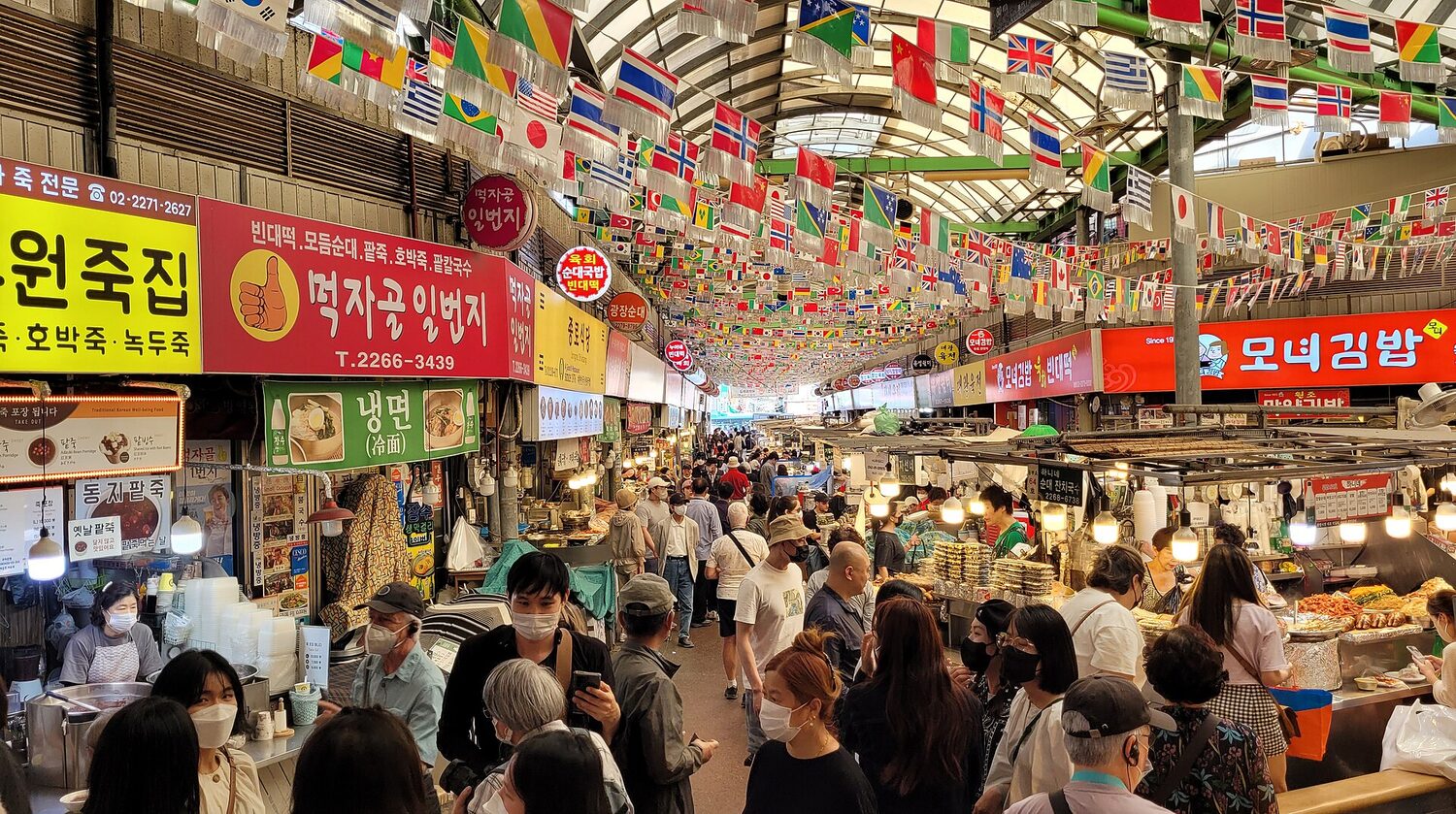
A wall of Korean, and a queue forming behind you.
One
The language
What I say for you
The phone shop, the bank counter, the landlord, the hospital reception, the man at the furniture place who wants to know which floor you live on. You are the one doing all of it; I am the one speaking. Every contract is in your own name and your hand signs it — I translate what the form is asking and what the person behind the counter just said. If something turns out to be a visa or residency question, I will tell you so and point you at someone licensed for it rather than guess.
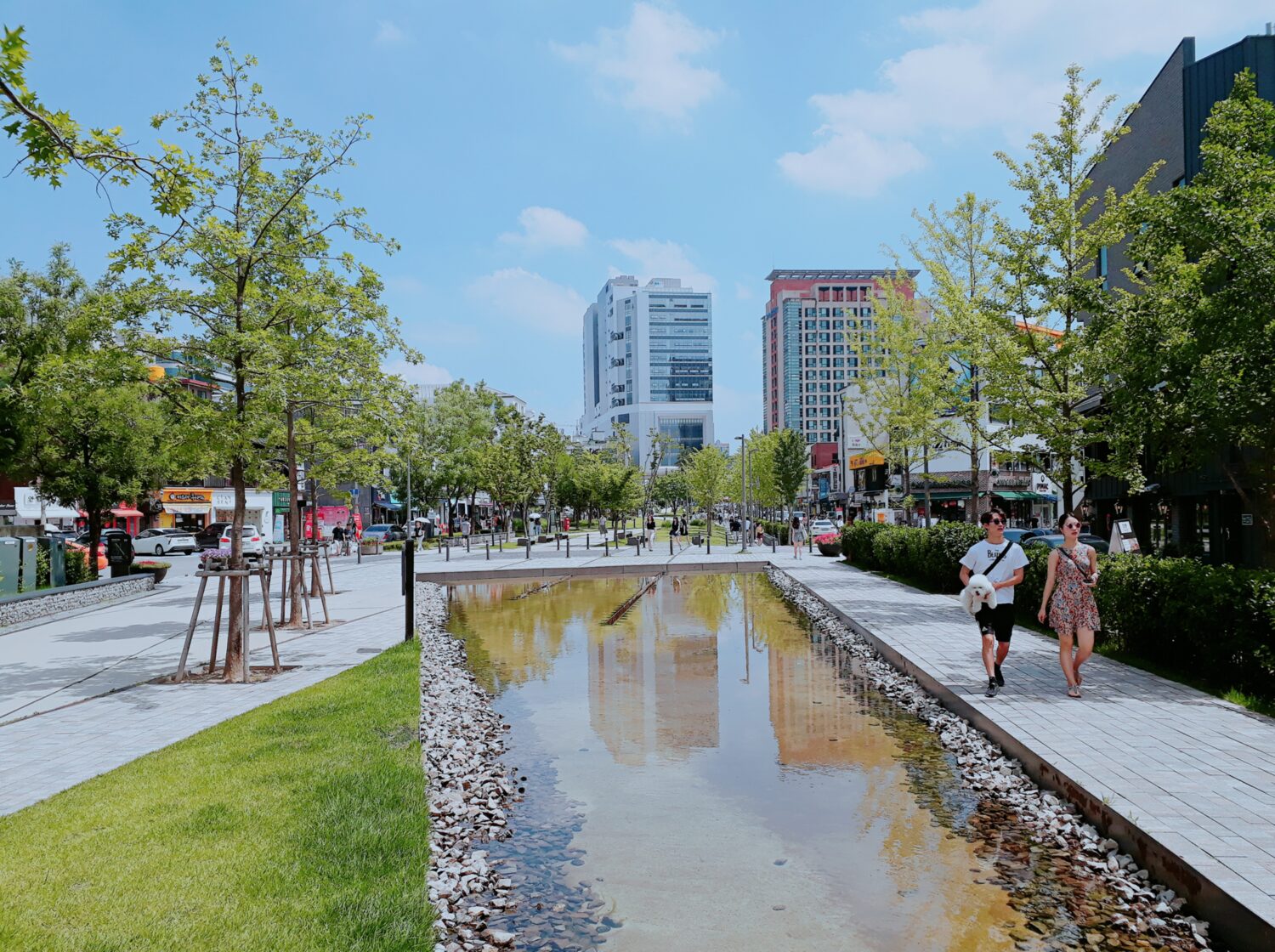
Not a sight. The street you are about to live on.
Two
How things work
What I explain
Which of the two marts is cheaper and which one is open at midnight. How the delivery apps want your address written. How people here buy and sell their furniture secondhand. A small clinic for an ordinary problem and a big hospital for a serious one, and why going to the wrong one costs you a day. What the national health insurance is and when it starts for you. How the rubbish is sorted, which sounds trivial until a neighbour knocks.
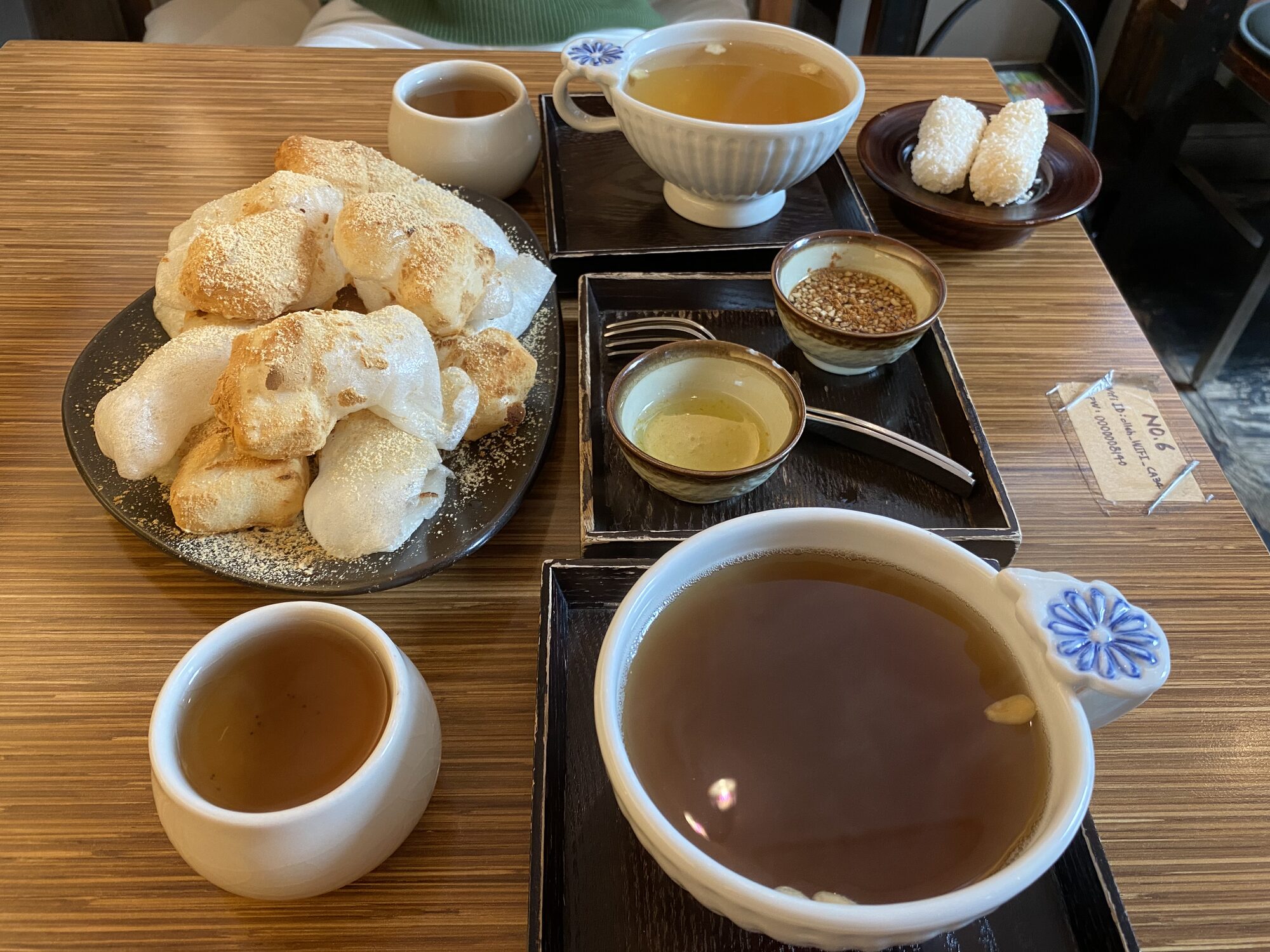
Nothing on the list. Everything you had nobody to ask.
Three
The part nobody writes down
What you can only get from someone Korean
Why the same sentence is polite or rude depending on one ending. How a work dinner is structured, who pours, and when you are allowed to leave. What age and years of service change about who speaks first. How to say no in a way that lands as no and not as rude. How people make friends here, which is not how they make friends where you come from. And why the second month is the hard one — nobody warns you, because everybody around you already knows.
How much of it you can get alone
The language
A translation app gets you about half of this
How things work
A blog covers some of it, if you find the right blog
The part nobody writes down
Nothing covers this
The first two save you a fortnight. The third is the one people who have been here two years say they wish they had had in week one.
You are not imagining the second month, by the way. It happens to nearly everybody who moves here. Almost nobody mentions it, because by the time you can explain it in Korean it has already passed.
What you get
- The day
- Nine hours, one day, you and me. A partner or flatmate can come.
- Interpreting
- At every counter, in person. Your name on everything you sign.
- A written summary
- Afterwards: what is set up, what is still outstanding, and who to call for each.
- Thirty days of messages
- English or Korean, answered the same day where I can.
- A call at two weeks
- Half an hour, when the late questions have arrived.
Who books this

A student, just arrived
The university handles your enrolment and your visa paperwork, and nothing else. Everything between the campus gate and your room is yours to work out.
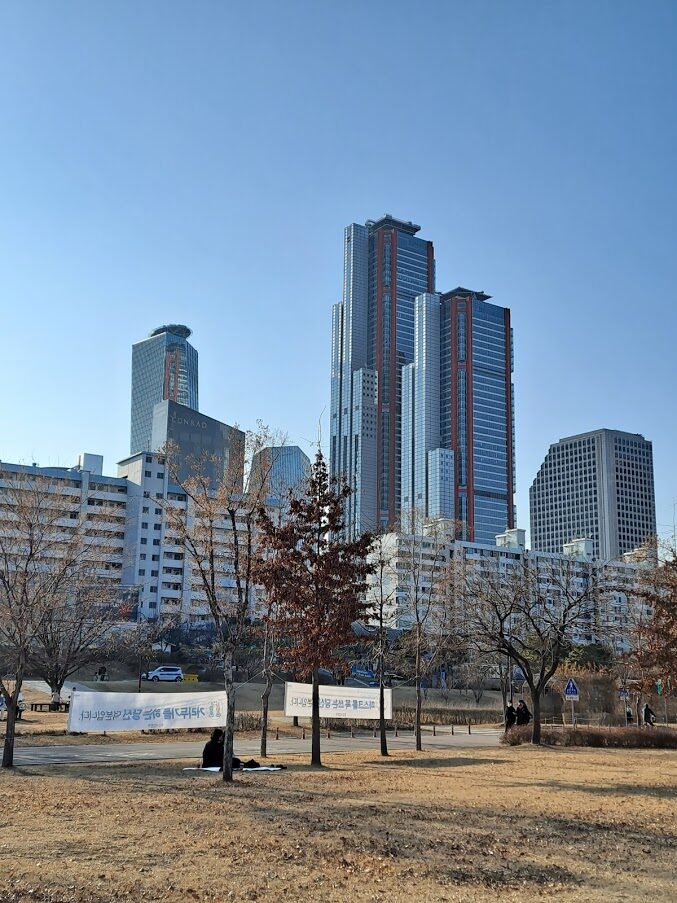
Posted here for work
Your company booked the apartment and told you when to be in the office. Nobody briefed you on the hours either side of that, which is where most of the trouble is.
Here because somebody else is
Your partner has a job, a desk and a routine from the first morning. You have the whole weekday and nobody to ask. This is the one people underestimate.
You will be fine here. Almost everybody is, in the end.
It usually just takes longer, and more of it on your own, than it needs to. This is one day of having somebody on your side of the counter, and a month of not having to work the small things out alone.
Two ways to book it
- You, arriving
- $790 for the day and the month. A partner or a flatmate arriving with you is $120 more, because the counters are the same queue twice but the neighbourhood and the evening are not.
- Your company, sending someone
- From $1,200, quoted per posting — a family lands differently from one engineer, and HR usually wants the written summary addressed to them as well. Write from the organisations page and tell me who is coming and when.